
Have you ever been afraid to step into something new because it seemed safer to stay where you were? That’s exactly where the Israelites found themselves at one crucial moment in their history.
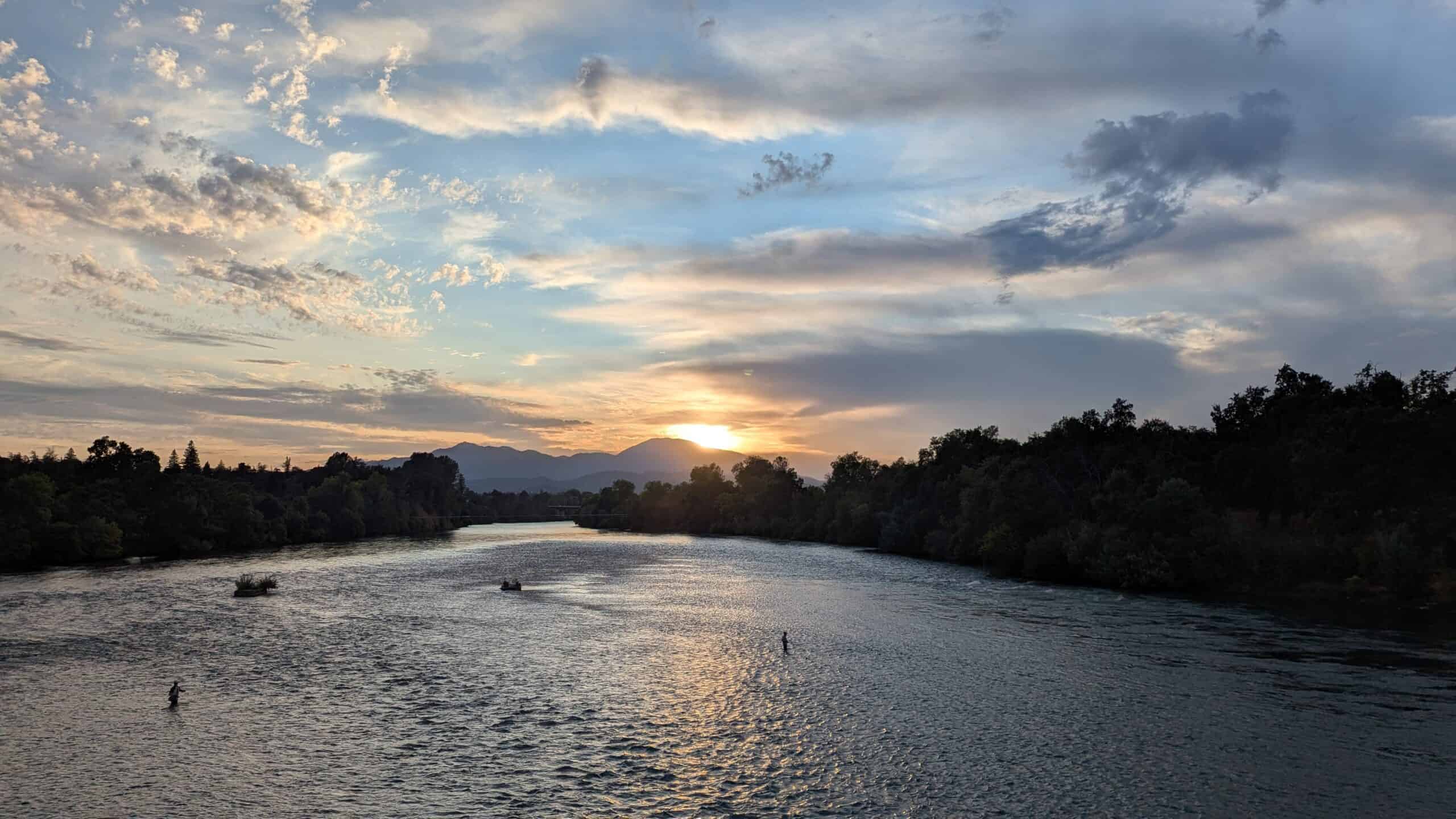
The ancient Israelite tribes were camped facing west. Before them lay the Jordan River and the Promised Land, a land flowing with milk and honey nestled against the Mediterranean Sea. After forty years of wandering the desert and wilderness, they were finally about to cross the river and enter the land. I imagine their hearts pounding in excitement and anticipation. This was the moment they had been waiting for, the time they had been born for. God’s promises were finally coming to fruition. Soon they would enter, conquer, and take possession of what God had pledged and assured them would be a land beyond their wildest dreams.
A Temptation to Settle
It was at this moment of expectancy and suspense that two tribes began to have second thoughts. As they looked around, they decided the ground they were standing on was good enough. Maybe they were afraid. Perhaps they wanted to protect their families and livestock from the hardships of war. For whatever reason, they rationalized that the land east of the Jordan was sufficient and satisfactory. They were on the border of God’s best, but chose comfort over calling.
“This land is suitable for livestock, and we have livestock,” the tribal leaders said when they went to Moses to present the idea that they would stay behind. “If we have found favor in your eyes, let this land be given to your servants as our possession. Do not make us cross the Jordan” (Numbers 32:5 NLT).
Like them, we face the same choice: should we step out in faith or let fear and self-interest take over?
Moses’s Warning
Moses wasn’t happy about the suggestion. “Should your fellow Israelites go to war while you sit here?” he demanded (vs 6). He was accusing them of abandoning the other ten tribes.
His frustration ran deep. Forty years prior, the Israelites sent twelve spies to scope out the Promised Land. Upon their return, these men marveled that the land really was “flowing with milk and honey,” however, ten of them were also afraid. “We cannot attack those people!” they protested. “They’re too strong for us!” (Numbers 13:27). The result of their doubt and disobedience was that an entire generation wandered the wilderness, until they all died.
Moses didn’t want the tragedy of disobedience to happen again. “Why do you discourage the Israelites from crossing over into the land the LORD has given them?” he questioned. The people were standing on the brink of blessing, but fear was threatening to hold them back.
Partial Obedience
At this point, Reuben and Gad could have repented and trusted God’s plan, but they offered Moses a deal instead. They would help fight for the Promised Land, but their families and flocks would stay behind east of the Jordan. In other words, they wanted partial obedience.
Moses conceded to their wishes. But permission is not the same as blessing. Their decision would carry consequences that they didn’t foresee.
History repeats itself with us. We are born into our time, and we are called to follow the premier plan outlined in the Bible. However, we often settle for second best, like they did. It’s so easy to fall into sin and prioritize our personal desires over obedience. Sometimes, like the Reubenites and Gadites, we ignore the Holy Spirit’s nudge to step into something new because we’re afraid we won’t be good enough or don’t want to risk embarrassment. We need to remember that God never calls us without equipping us. “Where God guides, He provides.” We’re not in this alone.
Others Follow Our Lead
While the Gadites and Reubenites built cities for their women and children, the half-tribe of Manasseh saw what was going on and also decided to stay behind. It looked to these three tribes like they were making a great decision, a win/win! Their loved ones could live in comfort while they fulfilled their duties in battle.
The Cost of Comfort
Everything worked out on the surface. The tribes fought faithfully and eventually returned home. Yet the women and children left behind missed out. They did not see God dry up the Jordan River during flood season or participate with the rest of the nation in walking across dry land and celebrating God’s goodness (Joshua 3:14-17). When the walls of Jericho fell (Joshua 6) and the sun stood still in the sky (Joshua 10:13), they were absent, home tending to their families and livestock. You see, obedience grows our faith. Seeing God at work helps us trust Him more. Those left behind did not get the same faith-building experiences.
The men missed out as well. Separated for about 6-7 years, they failed to see their children grow up, and they neglected the relationships they had started with their wives.
Safe doesn’t always mean sound. When the men returned home, they were so excited that they built an altar beside the Jordan River to proclaim they were also following the LORD God. However, the other tribes misunderstood and almost went to war over a misconception (Joshua 22:10-34). They thought that the physical distance was leading to spiritual distance. It didn’t at first, but over the years, these three tribes drifted away from the other ten. They were the first to worship other gods and the first to be captured by the Assyrians.
Choosing God’s Best
Just as these three tribes should have stayed with their brothers, Christians also need each other. Fellowship builds faith as we watch how God works in our lives and the lives of others. When someone is down, we can encourage them. Community gives us support when we are tired or discouraged, so that temptation doesn’t overwhelm us.
The story of the Reubenites, Gadites, and half tribe of Manasseh reminds us that settling for what seems easier or safer can cost us the very blessings God intends. Instead, let’s stick to what God tells us in the Bible and obey His words. Let’s follow the guidance of the Holy Spirit even when it stretches us. His promises and blessings always far surpass any temporary comfort or ease. Let’s not miss out on God’s best.


